
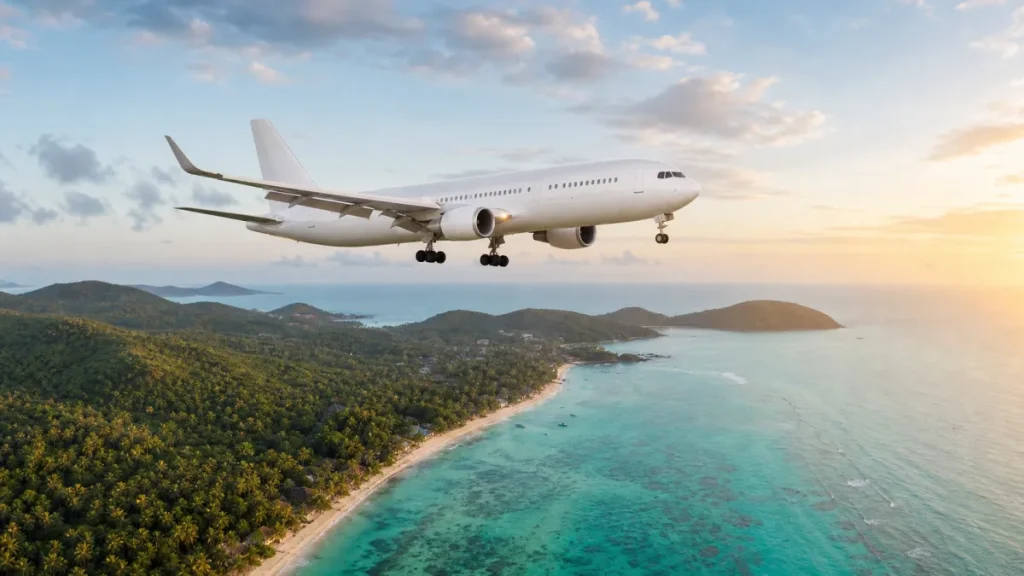
How do you get to Phu Quoc? The fastest and most popular way is to fly into Phu Quoc International Airport (direct flights from many big cities); travellers in the Mekong Delta can take a speedboat or ferry from Rach Gia or Ha Tien. On the island, rent a motorbike to be flexible, or use taxis and cars for comfort. This guide covers getting to the island, the airport-to-hotel leg, and getting around once you’re there.
Phu Quoc is an island, so transport has two separate parts: how you reach the island, and how you get around once you’re on it. Knowing both from the start helps you plan time and cost and avoid getting stuck. Fares and schedules change by operator and season, so treat the details below as a reference and check the official channels before booking.
How to get to Phu Quoc?
There are two main routes: by air and by sea.
- By plane: the fastest and most popular, especially from further away. Phu Quoc airport handles flights from many domestic cities and some international routes.
- By speedboat / ferry: from mainland ports (around Rach Gia and Ha Tien). Good if you’re nearby or want to bring a vehicle. It takes longer than flying and depends on sea conditions.
Getting there by air (Phu Quoc airport)
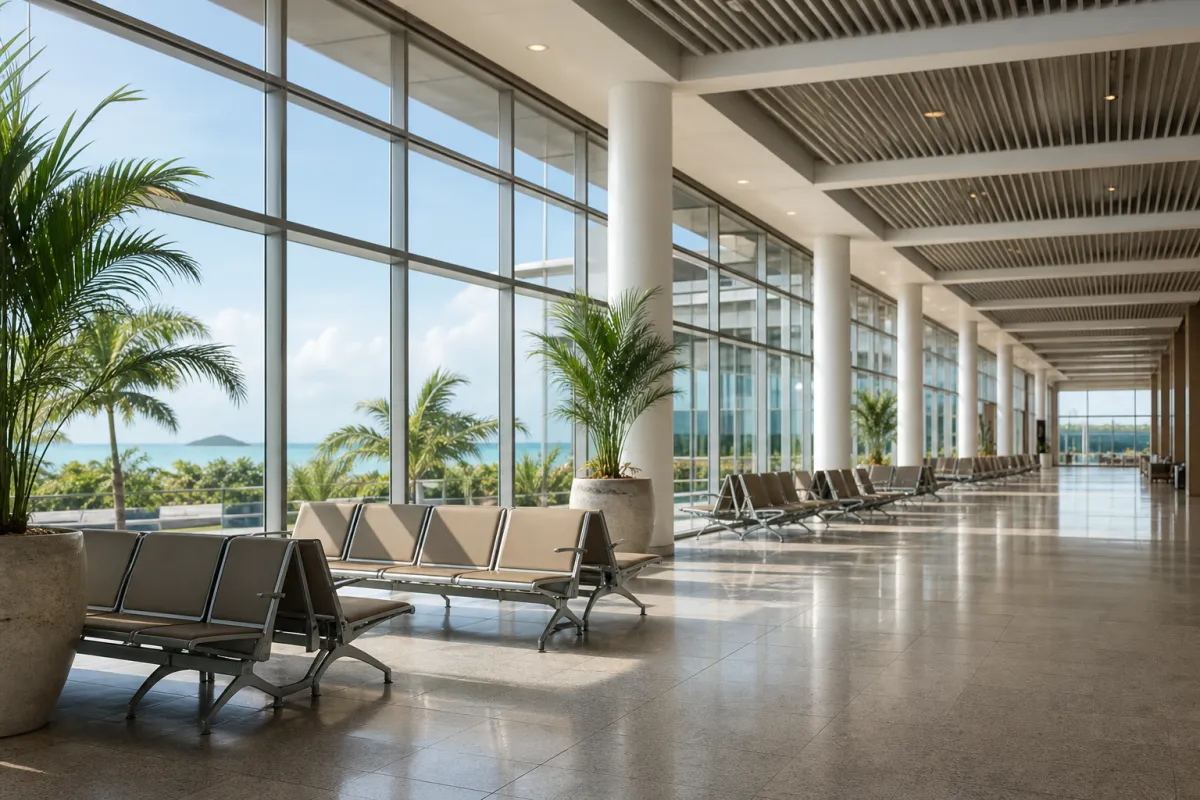
If you fly, choose the route from the city nearest you. A few tips for booking well:
- Booking early usually means better fares, especially in the summer and holiday peaks.
- Compare airlines and note whether checked baggage is included — don’t compare “headline” fares alone.
- Being flexible with dates (avoiding weekends and holidays) can be noticeably cheaper.
- Double-check the time and departure airport when booking, and keep your reservation code.
Getting there by speedboat or ferry
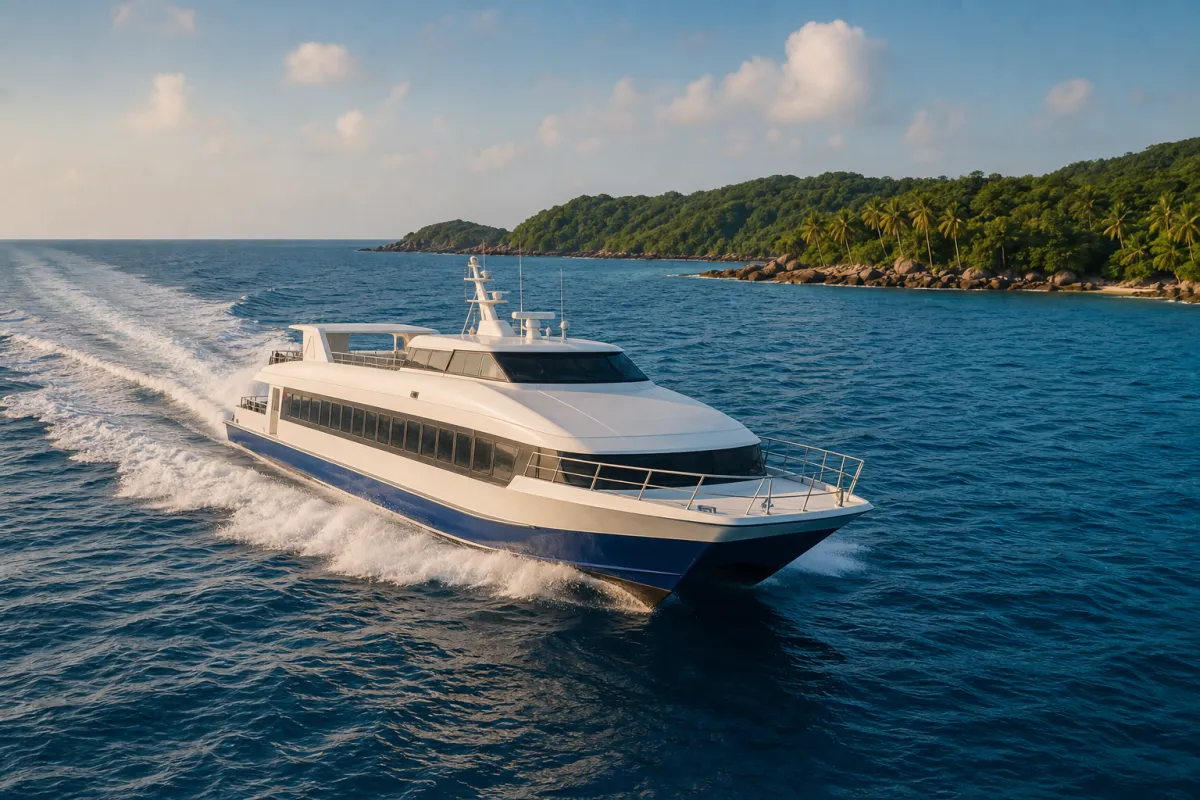
Sea routes run from mainland ports to the island’s ports (Bai Vong or An Thoi, depending on the line). A few things to know:
- Speedboats carry passengers and are faster; ferries are slower but can carry motorbikes and cars.
- It’s weather-dependent: rough seas can delay or cancel trips, so leave a buffer.
- Book ahead in peak season; bring your ID.
- If you get seasick, take medicine and pick a stable seat.
From the airport to the centre
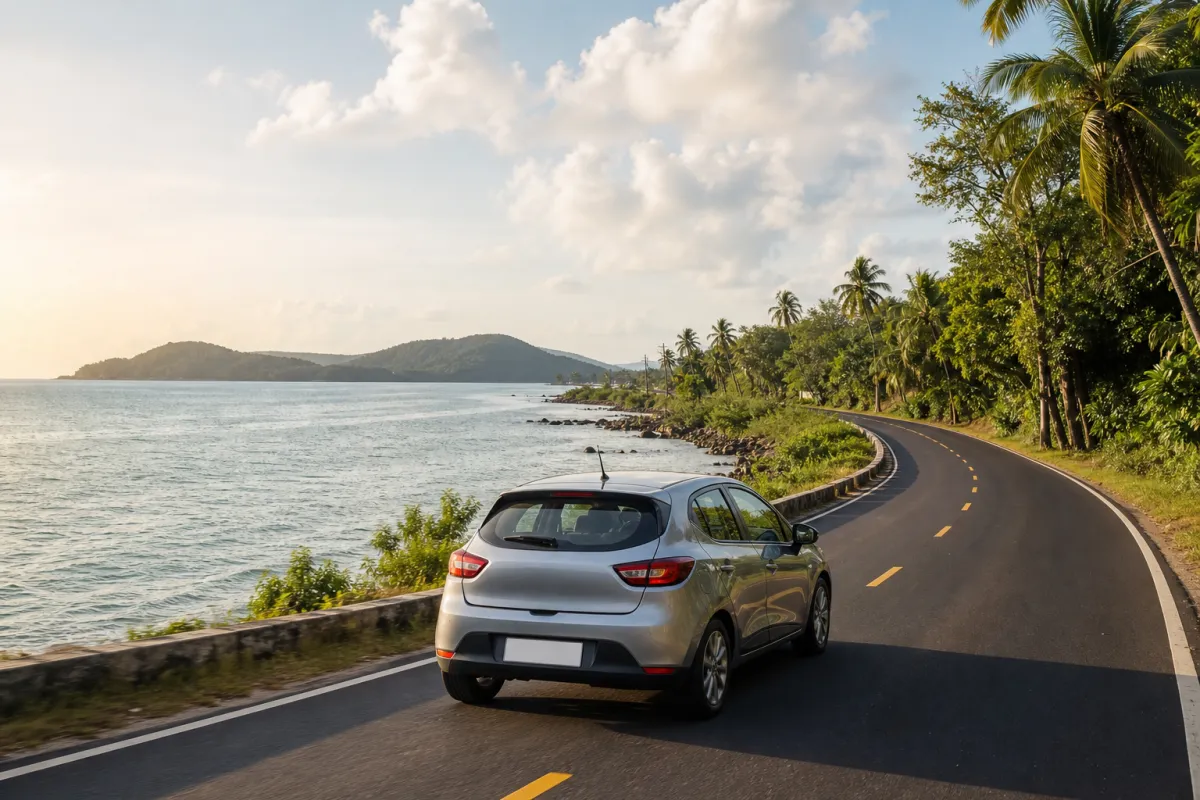
Phu Quoc airport isn’t far from central Duong Dong. You have a few options:
- Taxi or ride-hailing: convenient, charged by distance; ask or check the estimate before you get in.
- Hotel/resort transfer: many places offer this — book ahead for peace of mind.
- A rental waiting at the airport: if you plan to self-drive the whole trip.
Getting around the island
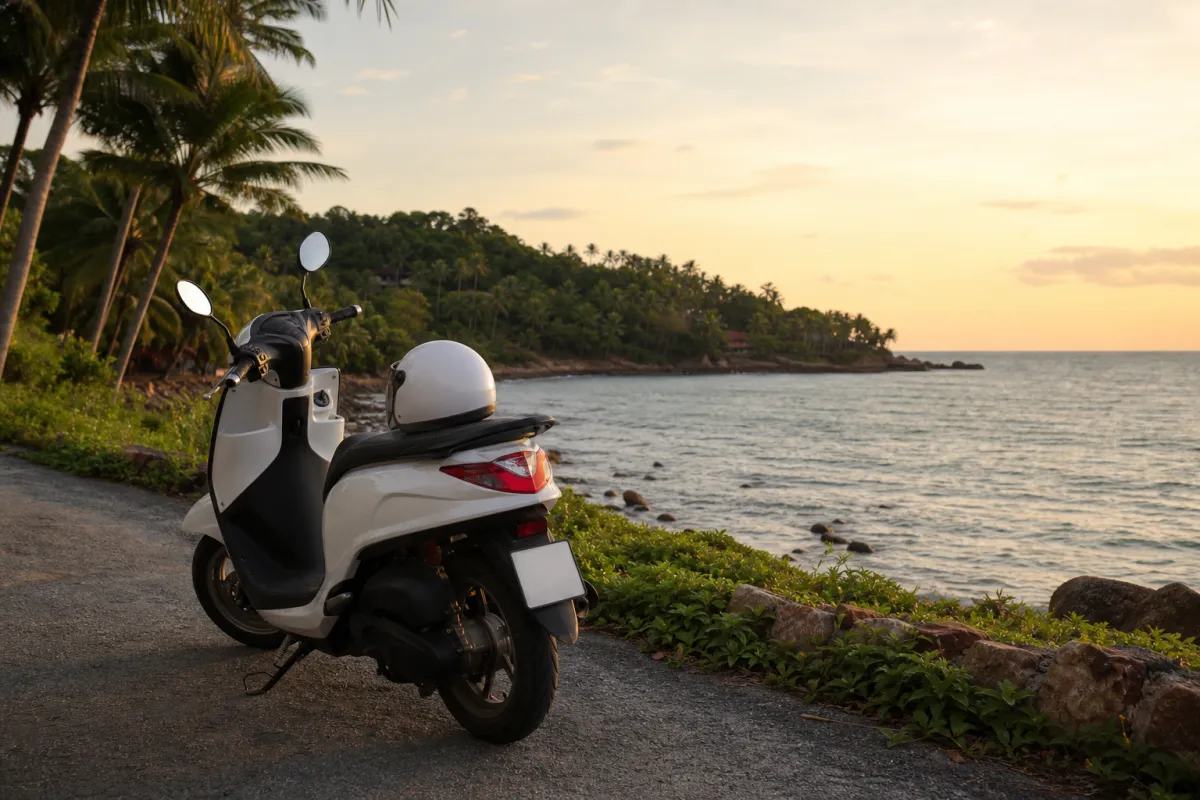
| Option | Pros | Notes |
|---|---|---|
| Motorbike rental | Flexible, cheap, easy to stop for photos | Need a valid licence, wear a helmet, check the bike on pickup |
| Car (self-drive / with driver) | Good for families and groups, out of the sun and rain | Costs more; self-driving means knowing the roads |
| Taxi / ride-hailing | No driving, handy for short hops | Many short trips add up; ask the price first |
| Bicycle | Relaxing, good around your area | Only for short distances; avoid the midday heat |
Documents and what to bring
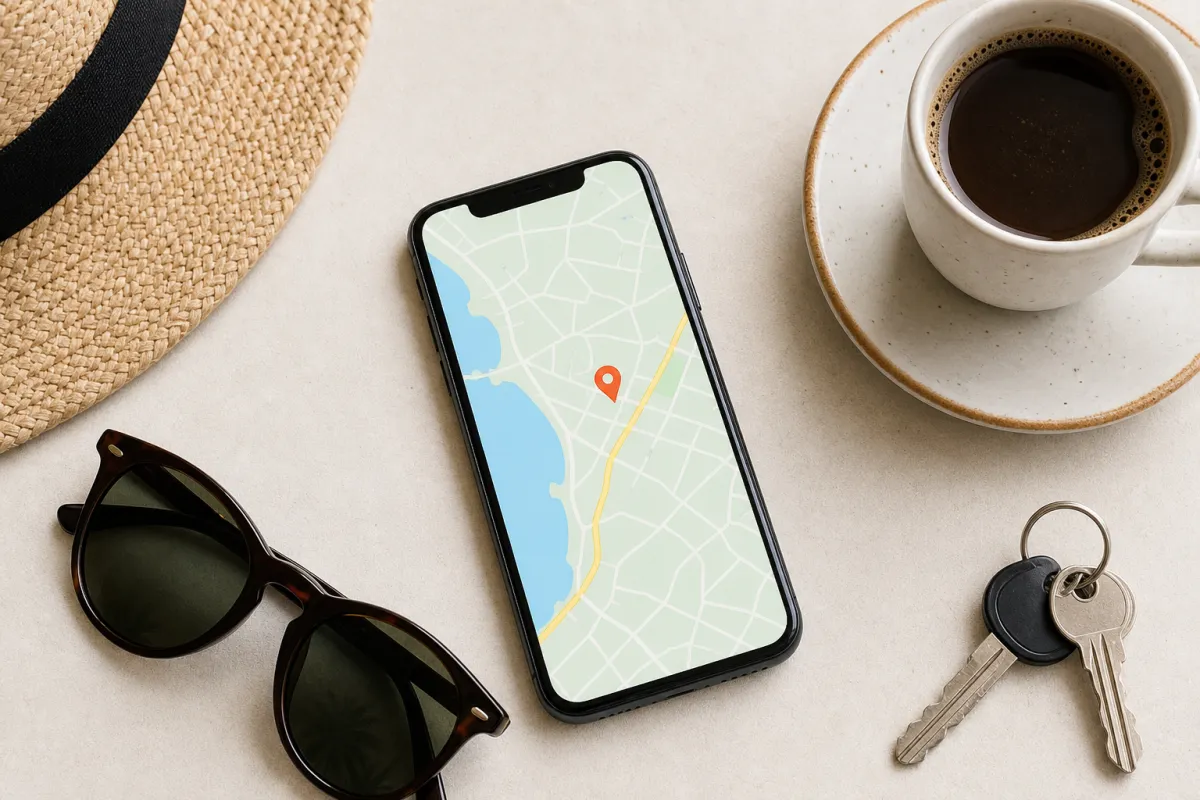
- ID (national ID/passport) for both flights and ferries.
- A valid driving licence if you’ll rent and ride a motorbike or drive a car.
- Booking codes saved on your phone, plus screenshots for when you’re offline.
- Some cash for short hops, parking and small shops.
Renting a vehicle: ask before you sign
If you rent a motorbike or self-drive a car, don’t hesitate to clarify things to avoid trouble at drop-off:
- Whether the rate is per day or per 24 hours, and if fuel and a helmet are included.
- The deposit terms (cash or documents) and how it’s refunded.
- Who’s responsible if the vehicle is damaged or lost — read carefully and photograph the agreement.
- Inspect and photograph the vehicle’s condition (brakes, lights, tyres, scratches) before you leave.
Estimated transport costs
Actual costs depend on the route, operator, season and how you travel, so these are just items to estimate:
| Item | Note |
|---|---|
| Return flight | Varies widely; booking early and off-peak is usually cheaper |
| Speedboat/ferry ticket | By line and type (passenger/vehicle); book ahead in peak season |
| Airport to centre | Taxi/ride-hailing by distance, or a hotel transfer |
| Motorbike/car rental | Per day; cars cost more than motorbikes |
| Fuel, parking, short taxis | Adds up with many trips in a day |
Safety tips for getting around
- Always wear a helmet and keep to the speed limit; the island has quiet stretches where it’s easy to get complacent.
- Carry a valid licence when you rent and ride.
- Check brakes, lights and tyres on pickup; photograph the vehicle’s condition to avoid disputes at drop-off.
- Don’t drive after drinking — it’s dangerous and against the traffic rules.
- Fill up before heading to remote areas, as fuel stations are sparse in some parts.
Frequently asked questions
Is it better to reach Phu Quoc by plane or ferry?
From further away, flying is fastest and easiest. If you’re near Rach Gia or Ha Tien, or want to bring a vehicle, the boat or ferry is worth considering.
Motorbike or taxi on the island?
If you’re comfortable riding and want to be independent, a motorbike is cheap and flexible. With young kids, or to stay out of the sun and rain, a car or taxi is more comfortable.
Will you get seasick on the boat?
It depends on the person and the sea. If you’re prone to it, take medicine beforehand, pick a stable seat, and avoid travelling when the sea is rough.
How do you get around without a licence?
You can still travel easily by taxi, ride-hailing, hotel transfers or a tour with a vehicle. Don’t ride a motorbike or drive a car without the proper licence.
How long from the airport to the hotel?
It depends on your hotel’s area. Central Duong Dong is fairly close; the south or north takes longer, so ask about the distance to plan your time.
Pair this with a sample itinerary and your choice of where to stay to plan your routes, and see the big picture in our Phu Quoc travel guide. Fares and schedules here are a reference as of 2026; check official channels before you book.